


Regulation
Disney Drops $1B on OpenAI, Unlocks Mickey Mouse for Sora Video Generation
The entertainment giant's equity investment and three-year licensing deal marks Hollywood's first major capitulation to generative AI platforms, granting Sora users access to over 200 Disney characters while the company simultaneously threatens Google with copyright enforcement.
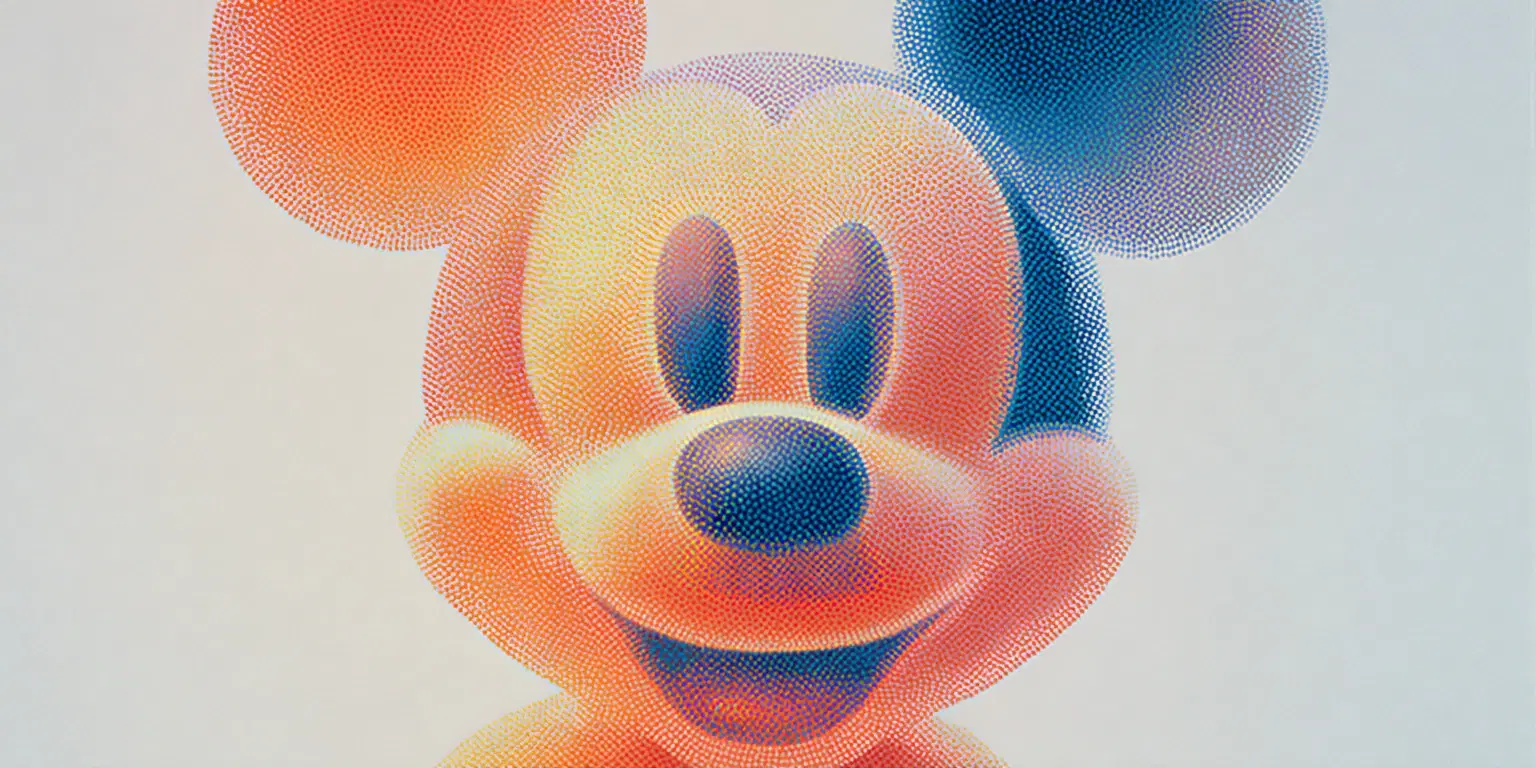
The entertainment giant's equity investment and three-year licensing deal marks Hollywood's first major capitulation to generative AI platforms, granting Sora users access to over 200 Disney characters while the company simultaneously threatens Google with copyright enforcement.
You could generate a video of Mickey Mouse lightsaber-dueling Darth Vader by early 2026. Disney's $1 billion equity investment in OpenAI, announced December 27th, hands over the keys to characters from Disney, Marvel, Pixar, and Star Wars franchises for use in Sora's text-to-video platform. The deal confirms what many suspected: legacy media companies have decided to license their way into the AI era rather than fight it.
Disney—the company that once sued daycare centers for unauthorized murals—is becoming the first major content owner to embrace user-generated AI video at scale. The three-year agreement includes one year of exclusivity, according to Global Finance Magazine, blocking rivals like Google's Veo from similar character licensing deals. Meanwhile, Disney sent Google a cease-and-desist letter for alleged copyright infringement in AI training, establishing what IP attorney Crystal Broughan calls a "permission-first model" for the industry.
The mechanics are straightforward but unprecedented. Sora users will be able to prompt videos featuring over 200 Disney-owned characters, from Iron Man to Elsa, though the agreement prohibits deepfakes of actors' likenesses or voices, according to Foley & Lardner LLP's analysis. These AI-generated clips will even be streamable on Disney+, the company confirmed, blurring the line between official content and user creation.
"We're unlocking new possibilities in imaginative storytelling," CEO Bob Iger stated in the official announcement, emphasizing "responsible" AI use and age-appropriate policies. Children's advocacy group Fairplay criticized the move, with representatives telling Engoo Daily News that Disney was "luring kids to an unsafe platform."
The timing reveals Disney's strategic calculation. At CES 2026, just weeks after the OpenAI deal, Disney unveiled additional AI tools for creating vertical video and TV commercials, positioning itself as a leader in what ALM Corp describes as "user co-creation and platform optimization." The company appears to be betting that controlled licensing beats uncontrolled scraping.
Get the latest model rankings, product launches, and evaluation insights delivered to your inbox.
For OpenAI, the partnership represents a legal lifeline. The company faces multiple copyright infringement lawsuits, and authors suing in New York have already demanded disclosure of the Disney deal's terms, arguing it proves a market exists for licensing AI training data—crucial for calculating damages and countering fair use defenses, according to IIPLA reporting.
The contrast with Disney's Google enforcement action is stark. While partnering with OpenAI for controlled character use, Disney simultaneously demands Google stop training on its intellectual property without permission. This selective enforcement strategy suggests Disney opposes unauthorized AI training—but will participate if compensated.
ZDNET identifies this as the emergence of a "partnership model" that will likely increase costs for AI users. The era of free scraping appears to be ending, replaced by negotiated licenses that give content owners both revenue and control. Disney's deal sets the precedent: major IP holders will demand compensation and guardrails.
The technical implementation includes what Foley & Lardner describes as "strict brand safety guardrails," though specifics remain undisclosed. Disney will also deploy ChatGPT internally and use OpenAI's APIs to build new products, suggesting deeper integration beyond character licensing.
Engadget's analysis frames this as "strange bedfellows"—Disney's notorious copyright maximalism meeting OpenAI's previous "opt-out" stance for creators. The deal represents a significant concession from OpenAI, which likely accepted Disney's terms to secure legally clear training data. It also marks a reversal from Disney's historically defensive IP posture.
Disney's one-year Sora exclusivity blocks competitors from similar character deals, while user-generated Disney content streaming on Disney+ creates new distribution models. The "permission-first" precedent may force all AI companies to negotiate licenses with major IP holders, and costs for AI tools will likely increase as more content owners demand compensation. The deal excludes actor likenesses but includes over 200 animated and fictional characters.
How Disney will enforce brand safety when thousands of users start generating Mickey Mouse content remains unclear. The company promises "age-appropriate policies" and respect for creator rights, but the mechanics of moderating user-generated Sora videos at scale remain untested. Early 2026 will reveal whether Disney can maintain its family-friendly brand while opening its vault to generative AI.